In The Mood for Love (Film)
Overview
In The Mood for Love is a 2000 film directed by acclaimed Hong Kong filmmaker Wong Kar-wai. It is a romantic drama that has gained widespread acclaim for its visual style, narrative structure, and poignant exploration of themes such as love, loneliness, and cultural identity. The film is renowned for its aesthetic beauty, featuring the vibrant and intricate use of colors, elegant cinematography, and an evocative soundtrack that adds to its atmospheric depth. Set in the 1960s Hong Kong, In The Mood for Love is not only a cinematic masterpiece but also a cultural artifact that explores the nuanced interplay between traditional Chinese customs and modern influences.
Plot Summary
The narrative of In The Mood for Love centers on two main characters, Chow Mo-wan (played by Tony Leung) and Su Lizhen (played by Maggie Cheung), who are neighbors in a crowded Hong Kong apartment complex. Both characters discover that their spouses are having an affair with each other. As they come to terms with this revelation, Chow and Su form a profound yet platonic bond, sharing moments of companionship and empathy. Despite their growing closeness, they are constrained by societal norms and personal reservations, leading to an exploration of unfulfilled desires and emotional restraint. The film's plot is characterized by its subtle storytelling, which emphasizes mood and atmosphere over dialogue, creating a sense of lingering melancholy and introspection.
Cinematic Style and Influence
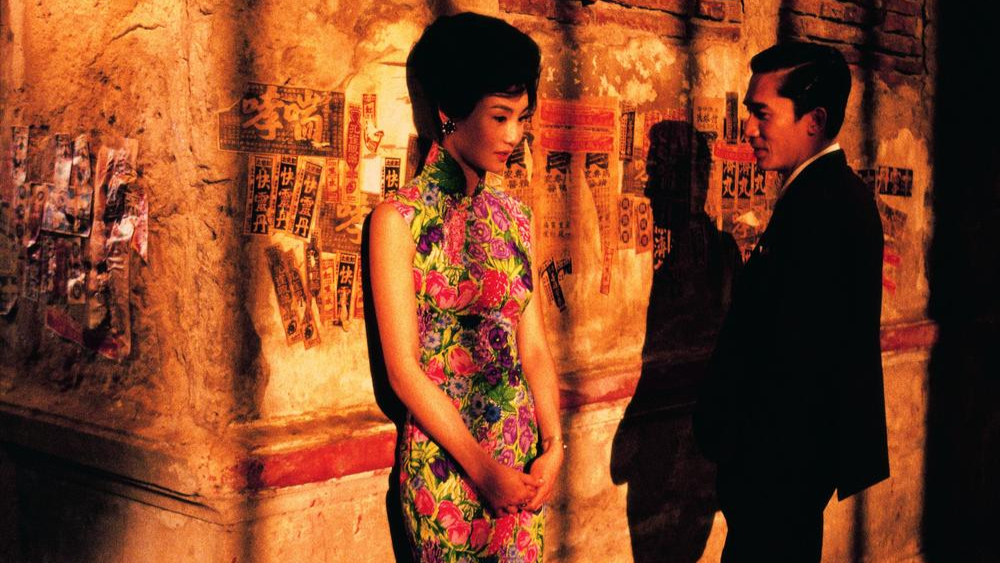
Wong Kar-wai's directorial style in In The Mood for Love is marked by his meticulous attention to visual composition and atmospheric detail. The film's cinematography, helmed by Christopher Doyle and Mark Lee Ping Bin, employs a lush color palette and carefully framed shots, often using mirrors and reflective surfaces to enhance the visual narrative. The use of slow-motion sequences, soft focus, and recurring musical motifs contributes to the film's dreamlike quality. The film's soundtrack, featuring themes by composer Michael Galasso and iconic pieces like Nat King Cole's "Quizás, Quizás, Quizás," plays a crucial role in evoking the emotional landscape of the characters.
The film's aesthetic has influenced a wide range of filmmakers and artists, inspiring works that explore themes of nostalgia, romantic longing, and cultural intersection. Its portrayal of the 1960s Hong Kong has also contributed to a renewed interest in the city's cultural and historical context during that era.
Cultural and Historical Context
Set against the backdrop of 1960s Hong Kong, In The Mood for Love delves into the cultural dynamics of the time, reflecting on the socio-political environment and the fusion of Eastern and Western influences. The film captures the essence of a bustling city in transition, showcasing the interactions between traditional Chinese values and the rapidly modernizing society. The characters' experiences and interactions are imbued with a sense of nostalgia and cultural identity, reflecting the complexities of living in a cosmopolitan environment while adhering to traditional mores.
The film's portrayal of cheongsams (qipaos) worn by Maggie Cheung's character has become iconic, highlighting the elegance and cultural significance of this traditional Chinese attire. The meticulously designed costumes contribute to the film's visual allure and serve as a symbol of refined femininity and cultural continuity.
Reception and Legacy
Upon its release, In The Mood for Love received critical acclaim and numerous accolades, solidifying its status as a contemporary classic. It was awarded the Best Actor prize for Tony Leung at the Cannes Film Festival. The film's exploration of universal themes such as love, longing, and the passage of time has resonated with audiences worldwide, earning it a place in the pantheon of great cinematic works.
The legacy of In The Mood for Love extends beyond its immediate critical success, influencing a new generation of filmmakers and artists. Its emphasis on mood, visual storytelling, and emotional nuance has inspired works across various media, reaffirming the film's enduring impact on global cinema and cultural discourse. Article reference1. Shanghai-style cheongsams grace hometown museum. chinadaily.com.cn. 20182. The evolution of Hong Kong culture: Beauty power. chinadaily.com.cn. 2017Photo Gallery(4 pictures)CategoriesArtsTagFilm and TVCatalogue1. Overview2. Plot Summary3. Cinematic Style and Influence4. Cultural and Historical Context5. Reception and Legacy- - - []








